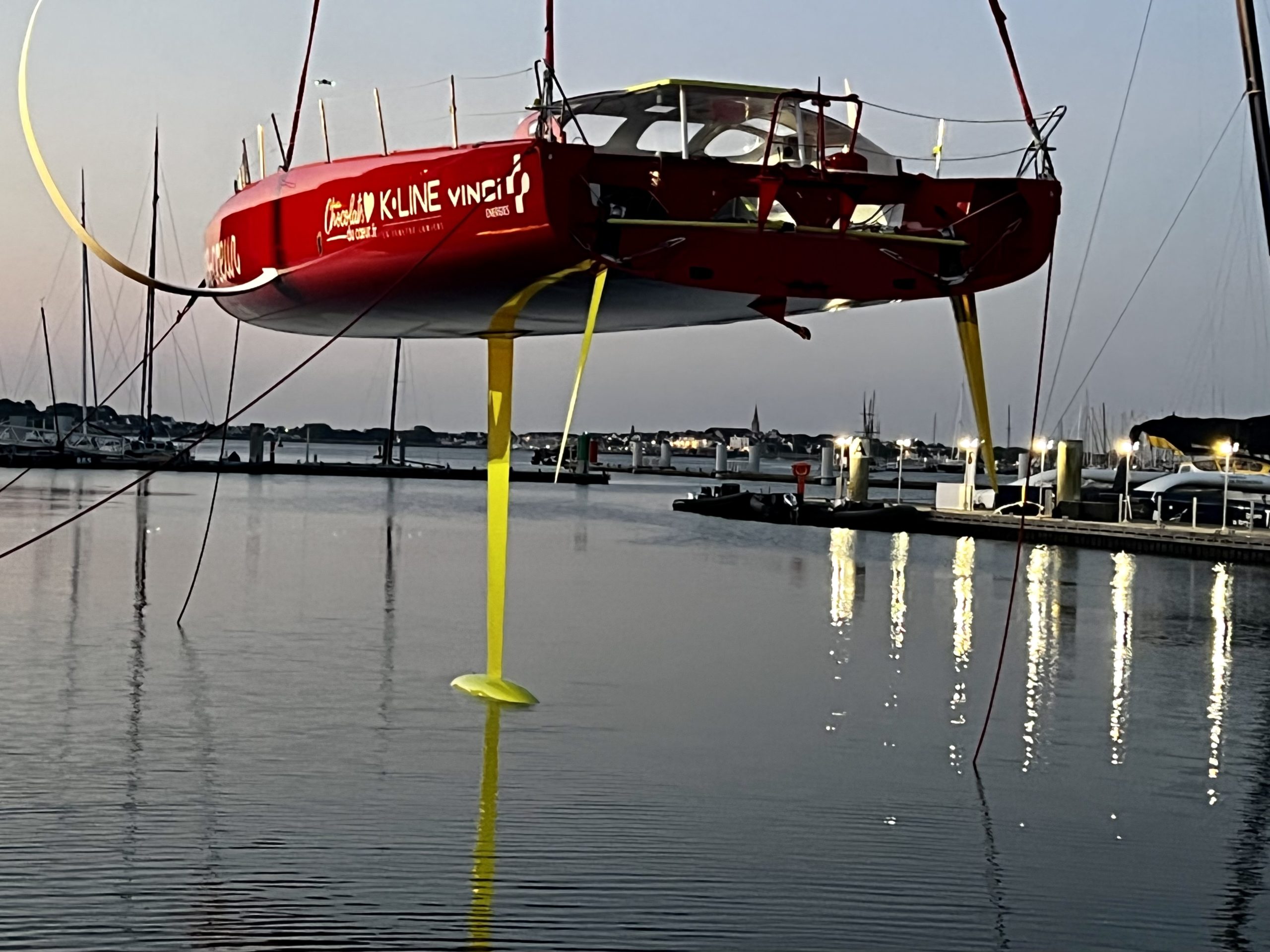
IMOCA yachts are 60-foot (18.28 m) offshore racing monohulls designed for some of the world’s most demanding ocean races, including the Vendée Globe, The Ocean Race and the Route du Rhum.
Built primarily from advanced composite materials, they combine light displacement, structural strength and highly developed naval architecture to achieve high performance over long distances. Many of the latest-generation IMOCA yachts are equipped with foils, allowing them to reach sustained high speeds offshore.
Their development brings together naval architecture, structural engineering, composite construction, aerodynamics, electronics and onboard systems, with particular attention paid to reliability and safety in the demanding conditions of ocean racing.
Working with naval architect Sam Manuard and specialist engineering partners, Black Pepper Yachts has contributed to the construction of three latest-generation IMOCA 60 projects:
These projects have allowed the shipyard to develop extensive experience in advanced carbon construction, structural engineering, weight optimisation and the integration of complex systems for offshore racing. This expertise also contributes to the development and construction of Black Pepper cruising yachts.
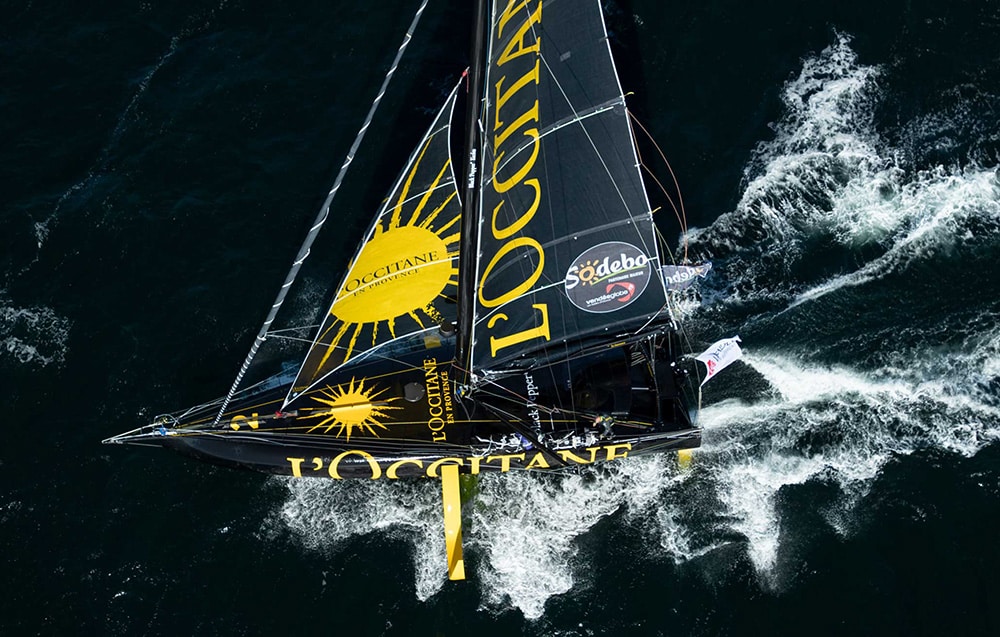
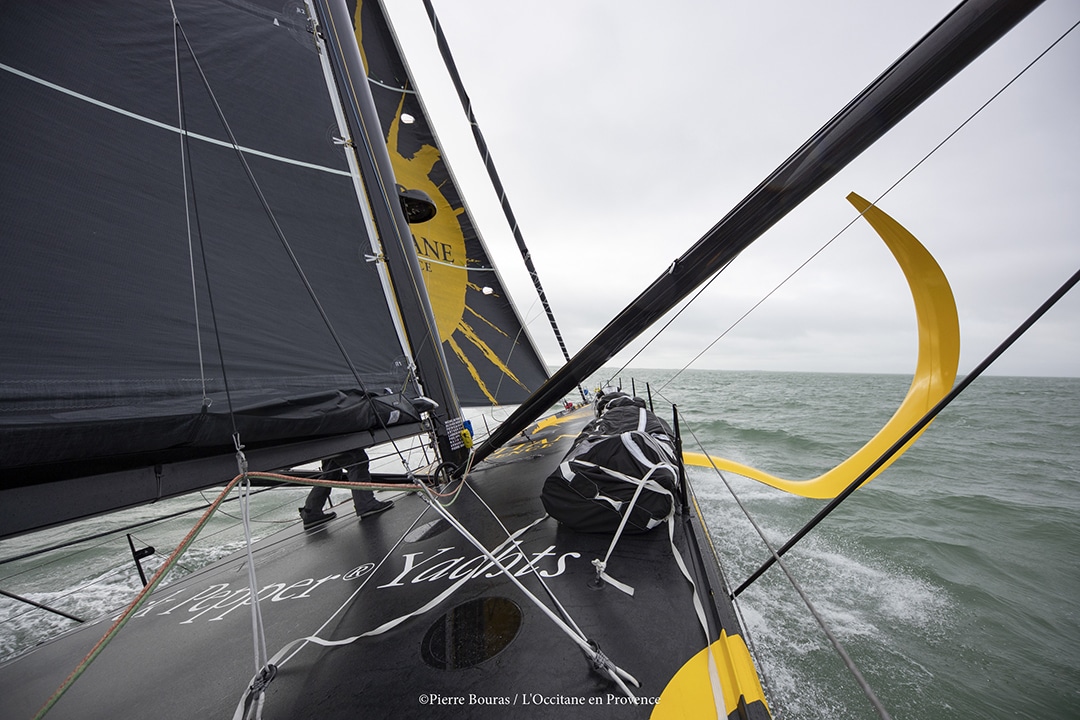
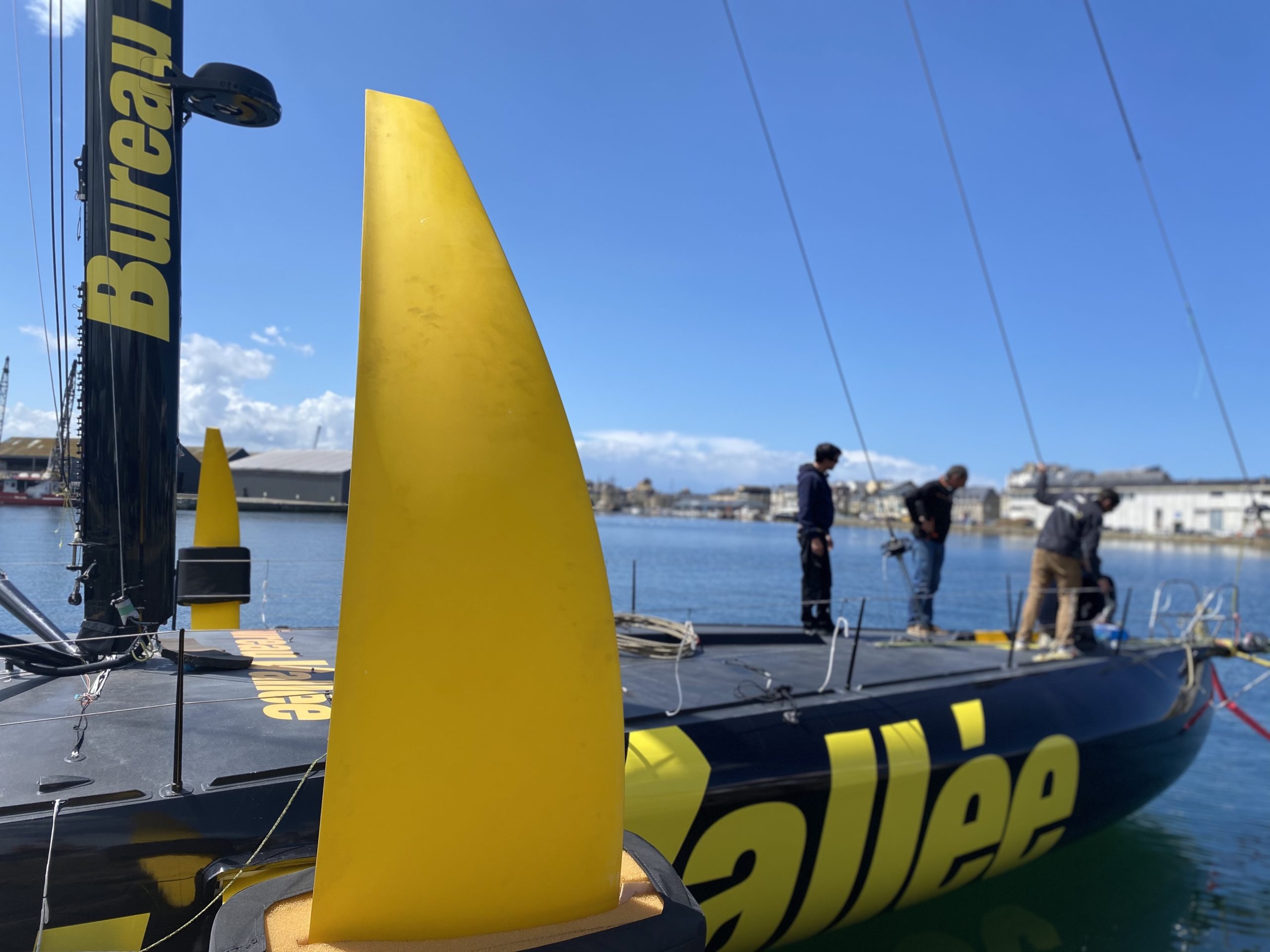
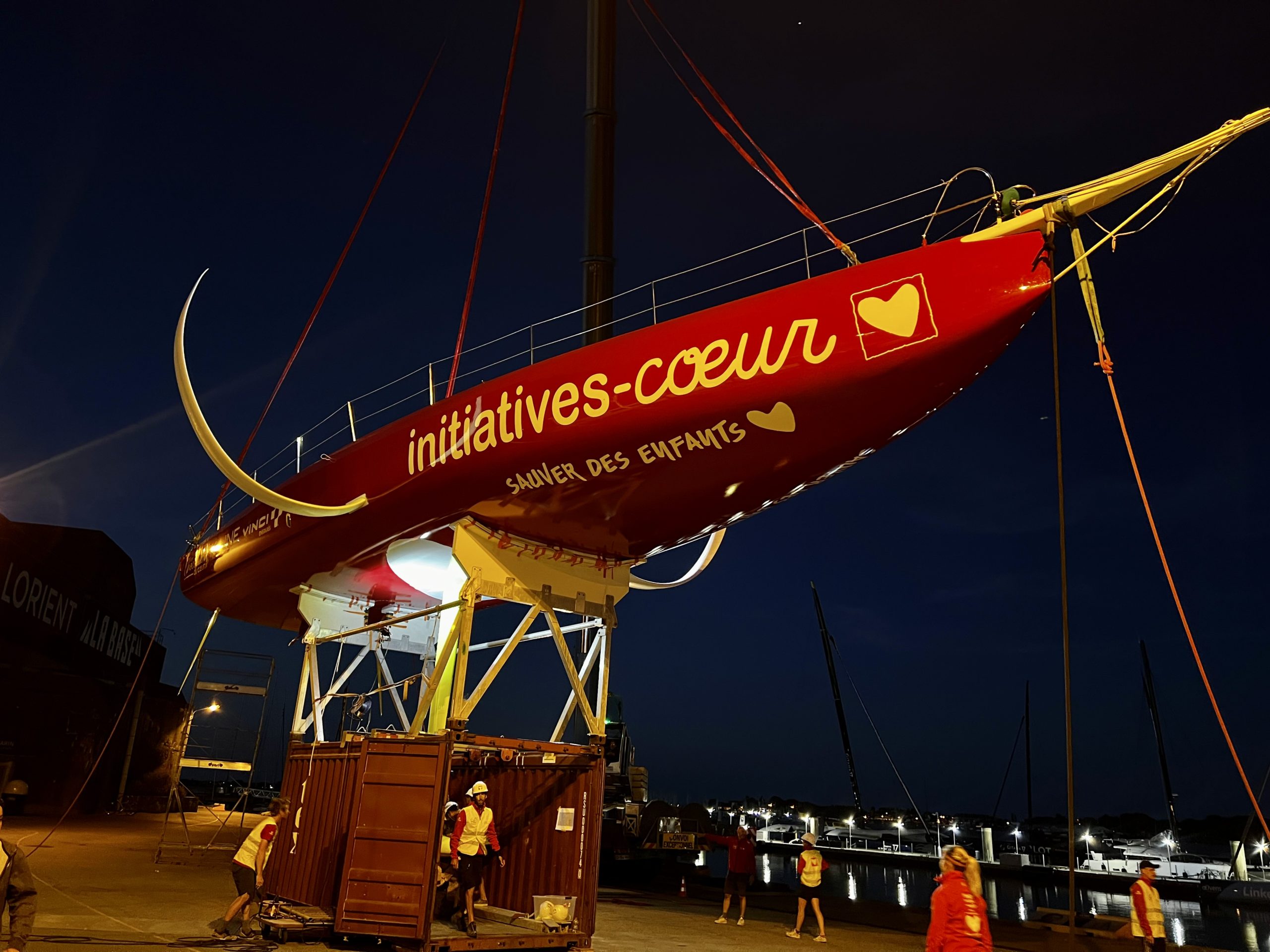
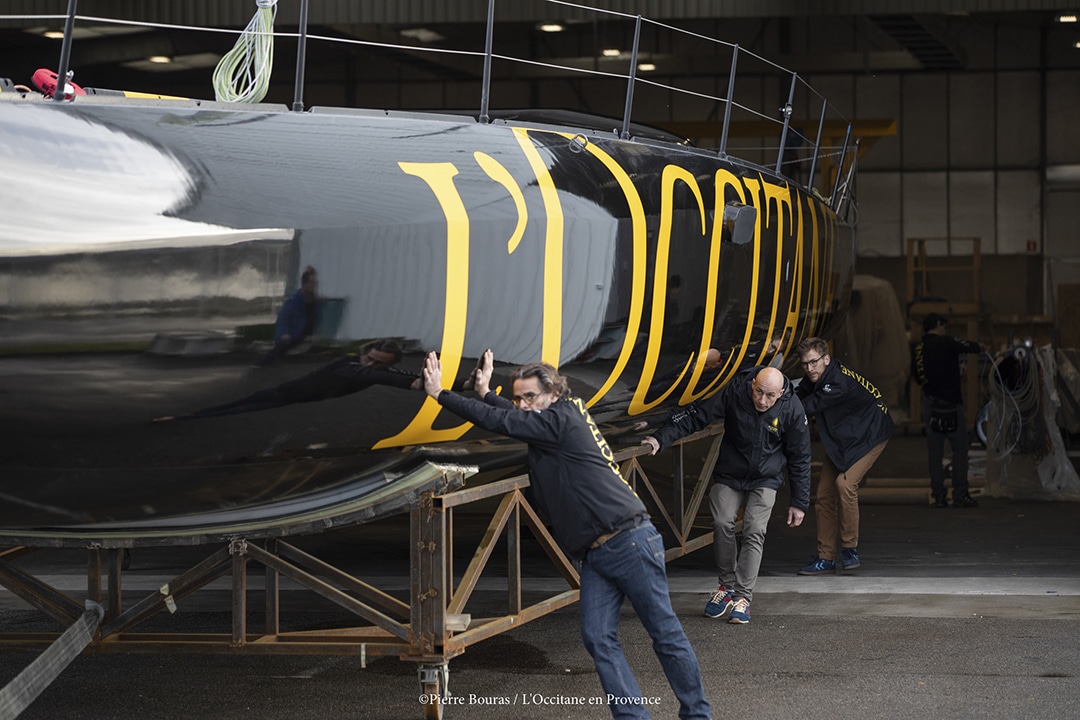
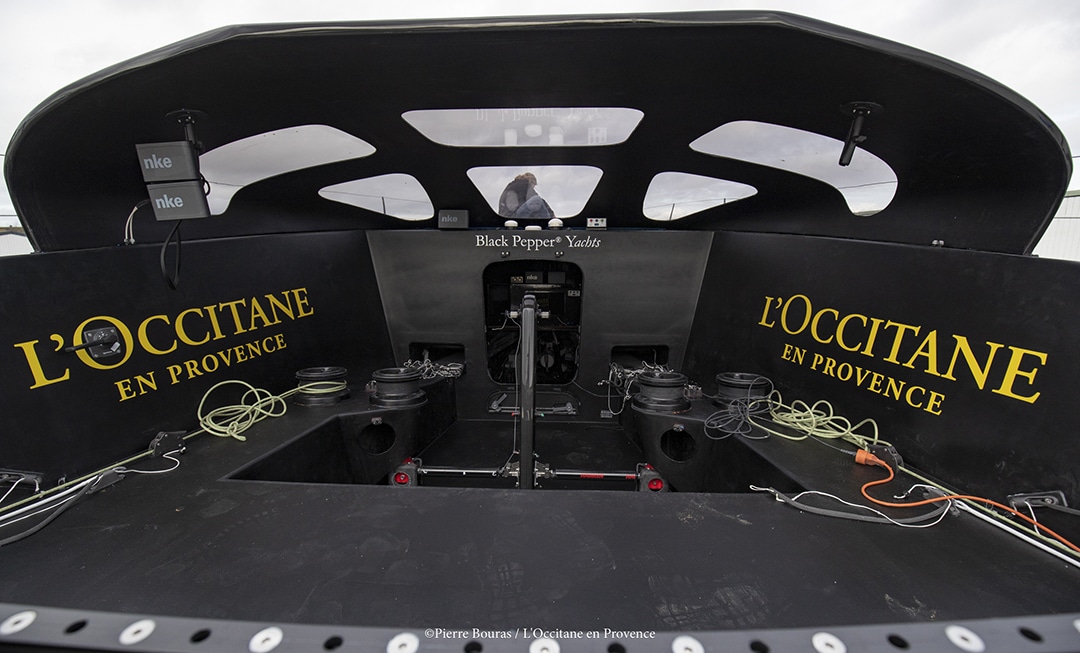
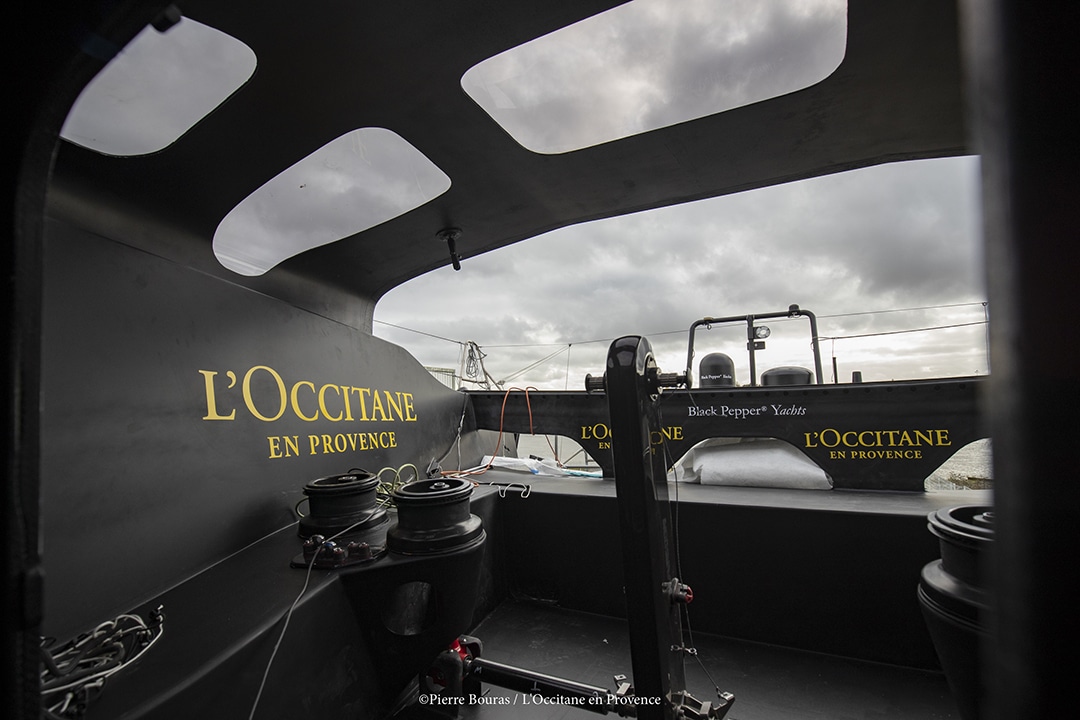
The first of these IMOCA projects, launched as L’Occitane en Provence in 2020 and now sailing as Bureau Vallée 3, introduced a radical Sam Manuard design to the IMOCA fleet, characterised by its scow-inspired bow, moderate beam and raised foils. Initiatives-Cœur 4 was subsequently built from the same hull moulds, with further structural and technical developments.
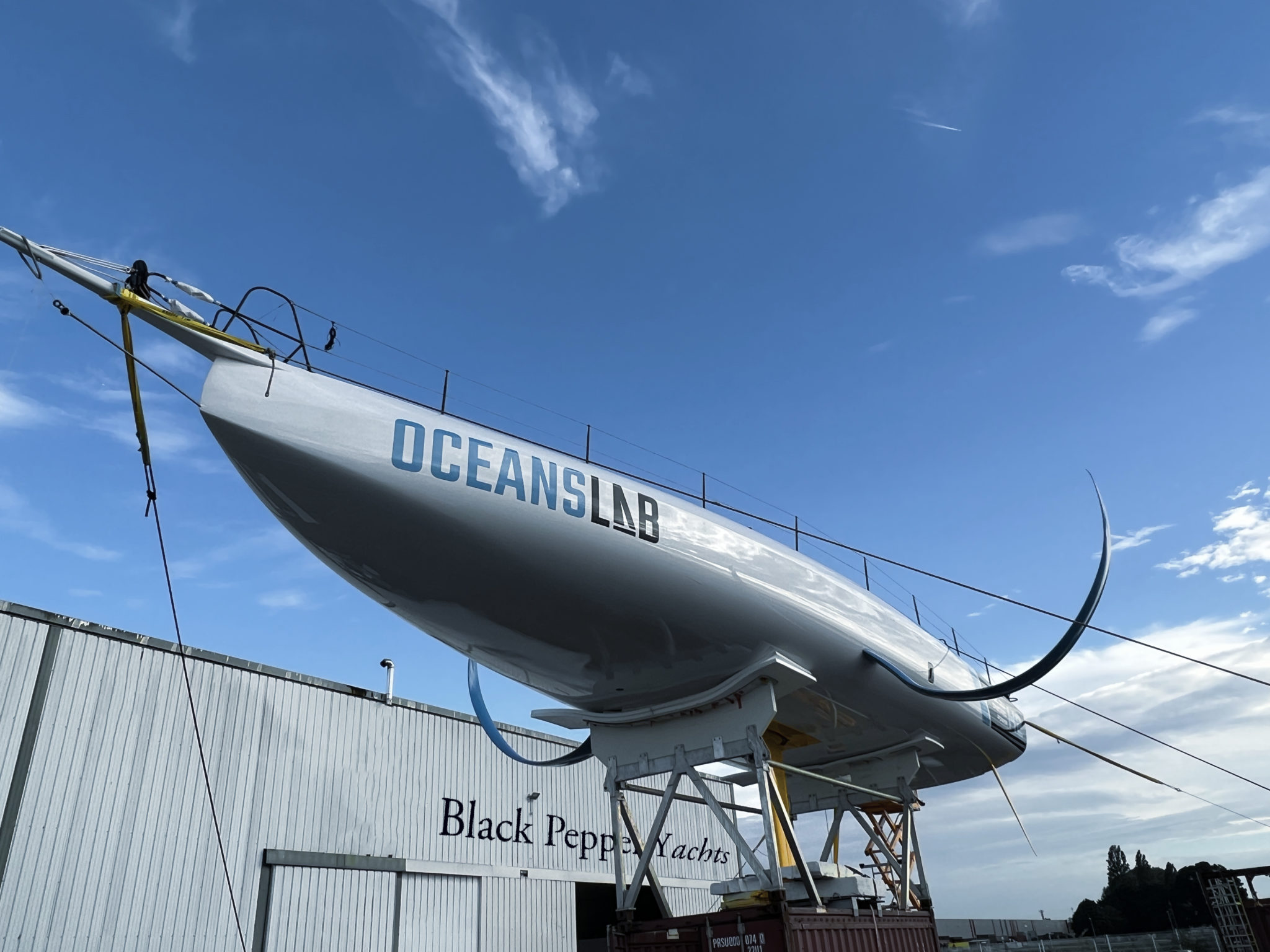
The third project, OceansLab, continued this development while exploring new approaches to materials and onboard energy. Its construction reused and reworked existing moulds, incorporated selected bio-sourced components and integrated a hydrogen fuel-cell energy system.
OceansLab, the third IMOCA built by Black Pepper Yachts to a Sam Manuard design, was developed for British skipper Phil Sharp with a strong focus on performance and lower-impact technologies.
The project reused and reworked existing moulds and incorporated selected bio-sourced and recyclable materials. Its onboard energy system combines renewable energy sources with a hydrogen fuel cell developed by Genevos, replacing the conventional diesel-based solution for auxiliary power and propulsion outside racing.
Launched in 2023, OceansLab became a full-scale platform for testing hydrogen-electric technology and alternative materials in the demanding environment of offshore racing. Its construction brought together Black Pepper Yachts, Sam Manuard, Phil Sharp and specialist partners around a common objective: combining high-performance IMOCA design with innovative approaches to reducing environmental impact.
All technical data is provided for information only and does not constitute a contractual commitment. They may be modified by Black Pepper SAS without notice.
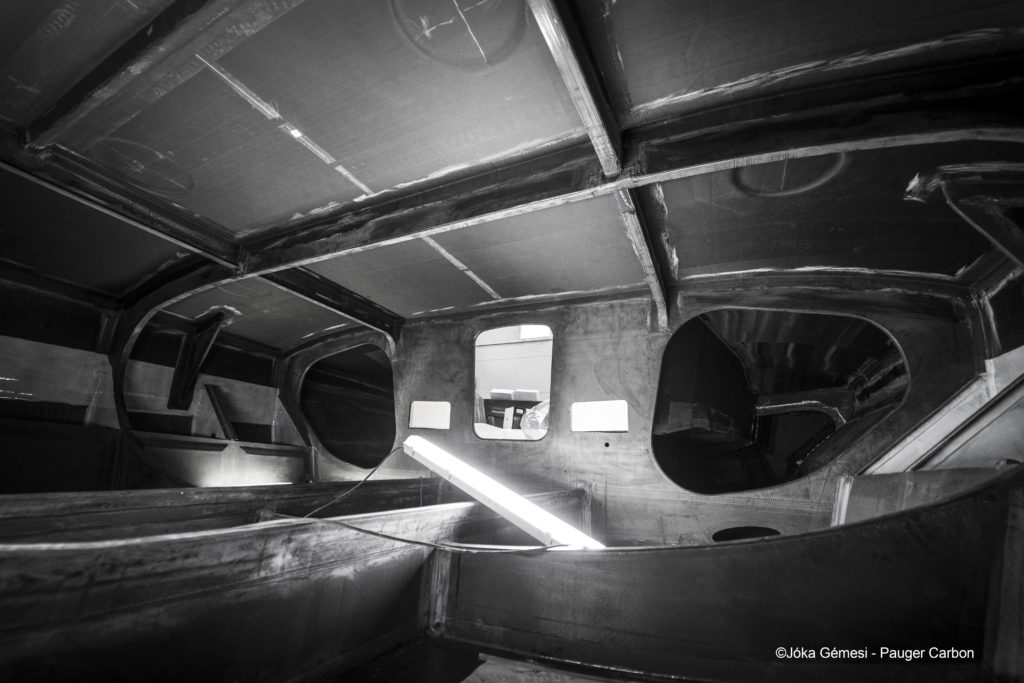
The IMOCA projects built by Black Pepper Yachts use advanced composite construction techniques developed for offshore racing. Their structures are primarily made from pre-impregnated carbon fibre skins combined with lightweight core materials such as Nomex honeycomb or high-density PVC foam.
During construction, prepreg carbon fibre is laid into the moulds, followed by the structural reinforcements and sandwich core, before a second carbon skin completes the laminate. Vacuum consolidation and controlled curing are carried out at successive stages of the process, with temperatures reaching up to 80°C.
The hull and deck are manufactured separately in dedicated moulds before being bonded and laminated together. The main structural components are then integrated into the hull to create a rigid and homogeneous platform.
Once the composite structure is complete, the yacht moves through fairing and painting before the installation of the foils, keel, rudders, propulsion and energy systems, electrical and electronic equipment, deck hardware, mast and boom.